
Ever wondered what goodness is in a banana? Other than being rich in vitamin B6, bananas are a good source of vitamin C, dietary fibre and manganese. Bananas are also fat-free, cholesterol-free and virtually sodium-free. So what do these mean for your health?
Health benefits of bananas
1. Bananas are one of the best fruit sources of vitamin B6
Vitamin B6 from bananas is easily absorbed by your body and a medium-sized banana can provide about a quarter of your daily vitamin B6 needs.

Vitamin B6 helps your body:

produce red blood cells,
metabolise carbohydrates and fats, turning them into energy,
metabolise amino acids,
remove unwanted chemicals from your liver and kidneys, and
maintain a healthy nervous system.
Vitamin B6 is also good for pregnant women as it helps meet their baby’s development needs.

2. Bananas are respectable sources of vitamin C
You may not associate bananas with vitamin C but a medium-sized banana will provide about 10% of your daily vitamin C needs.

Vitamin C helps:

protect your body against cell and tissue damage,
your body absorb iron better,
your body produce collagen - the protein which holds your skin, bones and body together, and
support brain health by producing serotonin, a hormone that affects our sleep cycle, moods, and experiences of stress and pain.
3. Manganese in bananas is good for your skin
One medium-sized banana provides approximately 13% of your daily manganese needs. Manganese helps your body make collagen and protects your skin and other cells against free radical damage.

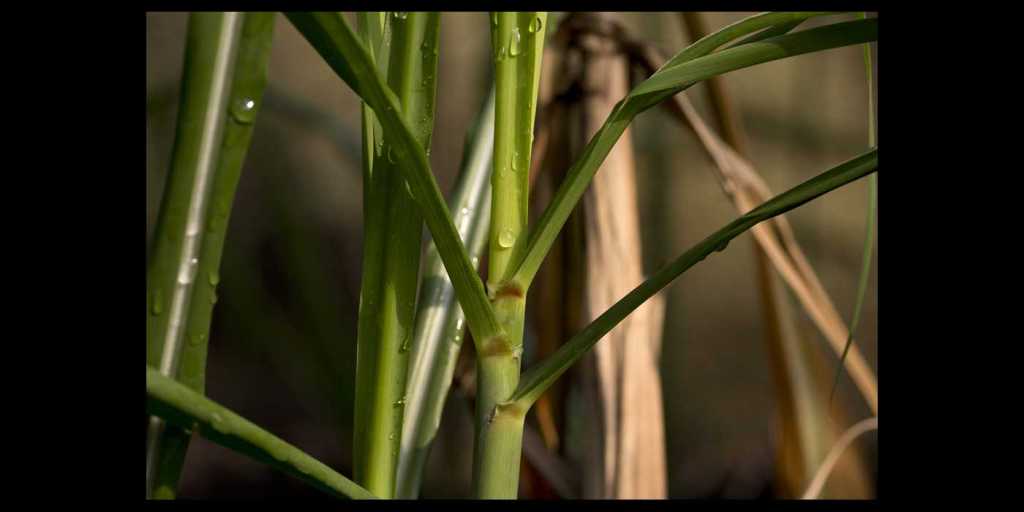
- Sugar cane was possibly the first industrial crop and has a long association with slave labour. It was taken to the New World by Columbus as a potential cash crop and by 1600 sugar production in the subtropical and tropical Americas had become the world’s largest and most lucrative industry. Harsh conditions and the influx of diseases soon decimated the local Caribbean population, so African slaves were brought in. The Caribbean was the centre of world sugar production from the 1650s until the 1850s.
- Sugar cane is now grown in over 100 countries, most of which are underdeveloped. The world sugar trade is complex and controversial as production costs differ around the world. Some think that sugar trade agreements can act as an effective way of providing aid that has a beneficial effect on the communities in developing countries.
- The swollen roots of another plant, sugar beet (Beta vulgaris), also make a major contribution to the world population’s seemingly unstoppable craving for sugar.
Contact
Purehealth101@gmail.com
 Healthy life steady mind